

What Makes This Trail Special
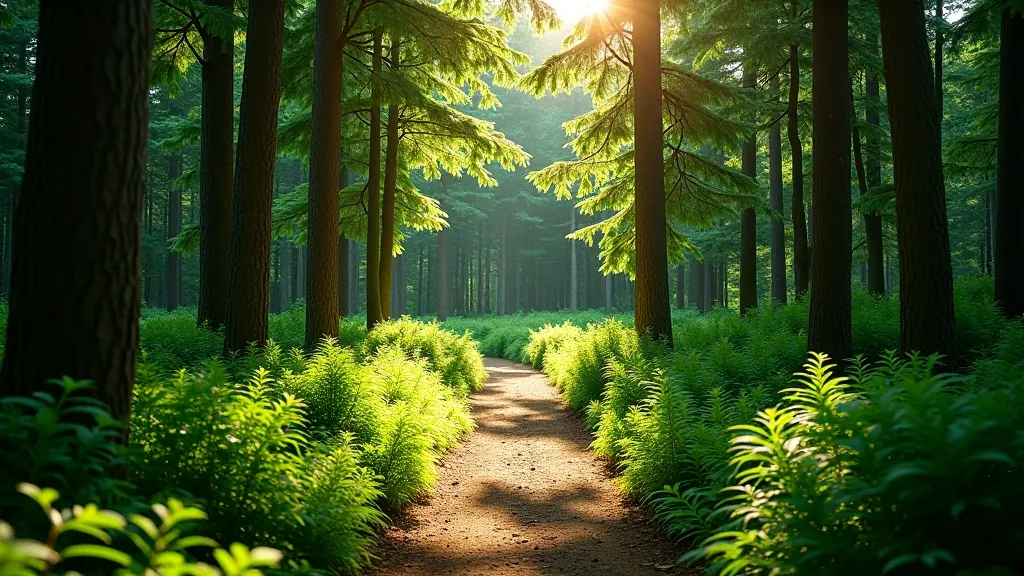
The Turaida Forest Trail isn't your typical forest walk. It's a journey through centuries-old woodland where you'll encounter towering pines and spruces that've been growing for over 80 years. The trail winds through protected forest that feels untouched — quiet, peaceful, and genuinely rewarding without demanding too much from your body.
What we love about this route is how it balances accessibility with authentic nature. You're not walking on manicured paths or crowded tourist routes. Instead, you'll discover moss-covered boulders, fallen trees creating natural sculptures, and clearings where sunlight filters through the canopy in ways that make photography worthwhile.
Trail Essentials at a Glance
- Distance: 3.8 kilometers (full loop)
- Elevation gain: Approximately 45 meters
- Surface: Mixed — packed forest floor, some root sections
- Time estimate: 1.5 to 2 hours (includes stops)
- Best season: May through October
Getting Started on the Trail
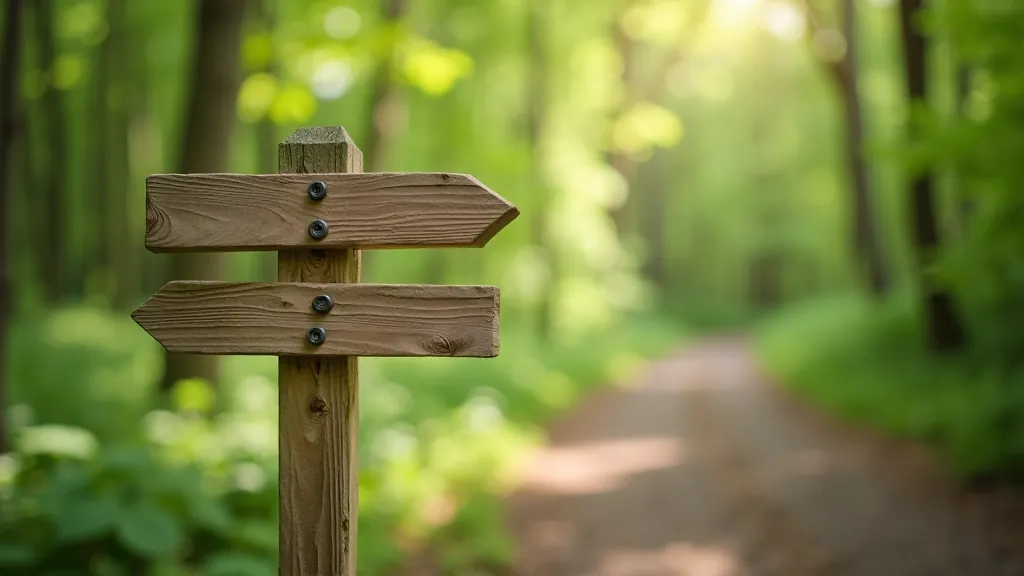
The trailhead is located near Turaida Castle, making it easy to combine this walk with a visit to the castle if you're interested in local history. Parking's straightforward — there's a small lot right at the entrance, and the path starts clearly marked with wooden signs.
The first section is relatively gentle. You'll walk through open forest with good spacing between trees, which means the path feels spacious and less claustrophobic than some woodland routes. The ground here is mostly firm, though you'll want proper hiking shoes with decent grip since tree roots cross the path in places.
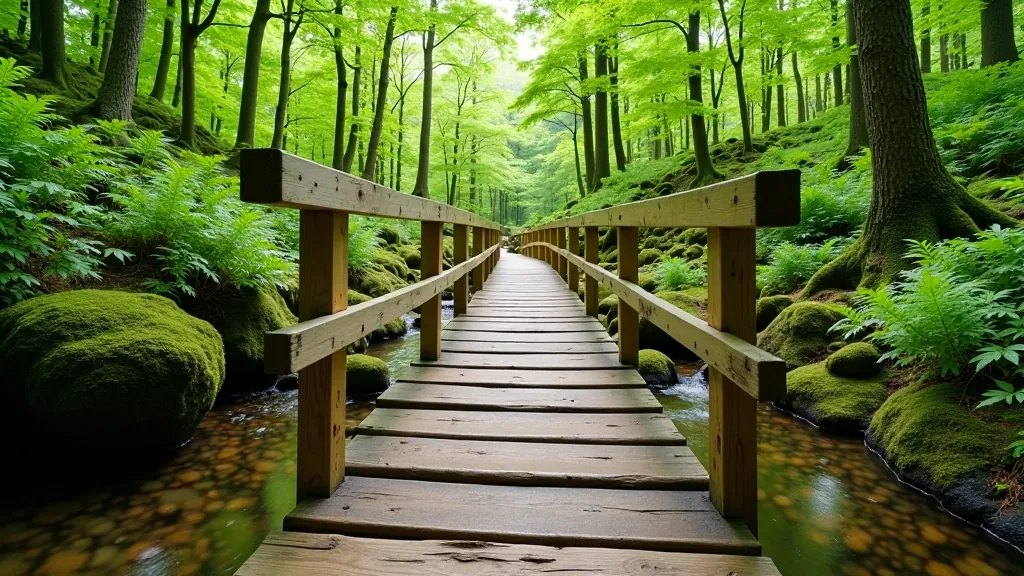
About halfway through, you'll encounter a small stream crossing. Don't worry — there's a sturdy wooden bridge, and the water level's typically low enough that it's never intimidating. This is actually a nice spot to pause, catch your breath, and listen to the forest sounds around you.
The Heart of the Forest
After the stream crossing, the forest deepens. You'll enter what locals call the "old growth" section — this is where the real magic happens. The trees here are genuinely impressive. Some have trunks you can barely wrap your arms around, and their height creates a cathedral-like atmosphere that feels restorative just to walk through.
This middle section is also where you're most likely to see wildlife. We're talking deer, squirrels, and if you're patient and quiet, you might spot a fox at dawn or dusk. Bird enthusiasts often report seeing woodpeckers and various forest birds here. It's not a nature documentary moment, but it's real, and it matters.
The elevation does increase slightly here, but nothing steep. Most people find this section the most rewarding mentally — the trees are older, the air feels fresher, and you're genuinely away from anything resembling civilization. That psychological reset is worth as much as the physical exercise.
Practical Tips for Your Visit
We've walked this trail in different seasons, and here's what actually works:
Footwear Matters
Wear proper hiking boots or trail shoes with ankle support. The root sections aren't dangerous, but they're easier to navigate with the right footwear.
Bring Water
Even though the distance is only 3.8 kilometers, bring at least 1 liter of water. Walking in forest heat is different than street walking.
Sun Protection
Even with tree cover, UV rays reflect off the forest floor. Use sunscreen and consider a lightweight hat.
Insect Repellent
Mosquitoes aren't terrible here compared to other forest trails, but they're present in summer. A quality insect repellent makes the experience better.
When to Walk — Seasonal Insights
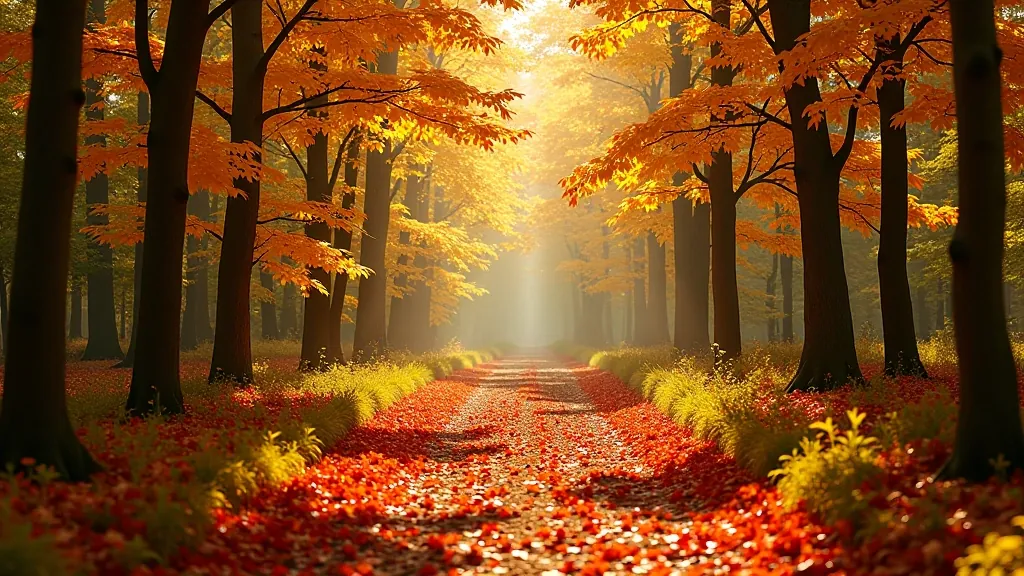
Spring (May-June) brings new growth and wildflowers scattered through clearings. The forest feels alive. Summer (July-August) offers long daylight hours but higher humidity and more insects. Fall (September-October) is honestly the best season — cooler temperatures, fewer bugs, and the changing foliage creates something genuinely beautiful.
Winter hiking here is possible but requires caution. The roots become slippery with frost or ice, and the forest feels colder because of wind tunneling through the trees. If you do hike in winter, go in daylight hours and move slowly.
Why This Trail Matters for Older Adults
Here's the thing about this trail that makes it different: it's not dumbed down. You're not walking on paved paths or in parks that feel like urban green spaces. You're in actual forest, on actual forest terrain, doing actual hiking. That matters psychologically.
But it's also not brutally difficult. The distance is manageable, the elevation is reasonable, and there's no rock scrambling or technical sections. You can take breaks whenever you want, set your own pace, and spend as much time in the quiet moments as you need.
Many people find that this combination — real hiking on accessible terrain — is exactly what they've been looking for. It's challenging enough to feel meaningful, but not so difficult that you're exhausted or intimidated.
Getting There and Planning Your Day
The trailhead is accessible by car from Cēsis — about 15 minutes south. If you're using public transportation, check local bus schedules to Turaida area. The nearest services (restaurants, restrooms) are at Turaida Castle, which is adjacent to the trail.
Budget about 2-3 hours total for your visit if you want to include a casual pace with photos and breaks. If you combine this with a castle visit, you're looking at a full half-day activity. It's worth it. This trail delivers something genuine — a real forest experience without needing superhuman fitness levels or extreme technical skill. That's increasingly rare, and increasingly valuable.